Structural Steel Fabrication
Structural work is the part of this trade where paperwork is as load-bearing as the steel. Prequalified joints, a written procedure, and a weld that will pass an inspector who did not build it.
Structural Steel Fabrication
AWS D1.1 is the structural welding code for steel, and the useful thing about it is the concept of a prequalified joint. If a joint’s geometry, process, position and material fall inside the parameters the code has already validated, it can be welded to a written procedure without a project paying for its own procedure qualification testing. We design and detail to those prequalified configurations wherever the drawings allow it, because it removes cost and delay from your job without removing any margin from the structure.
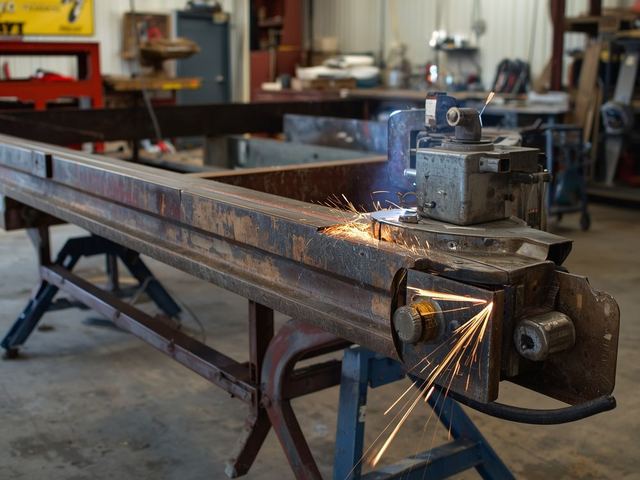
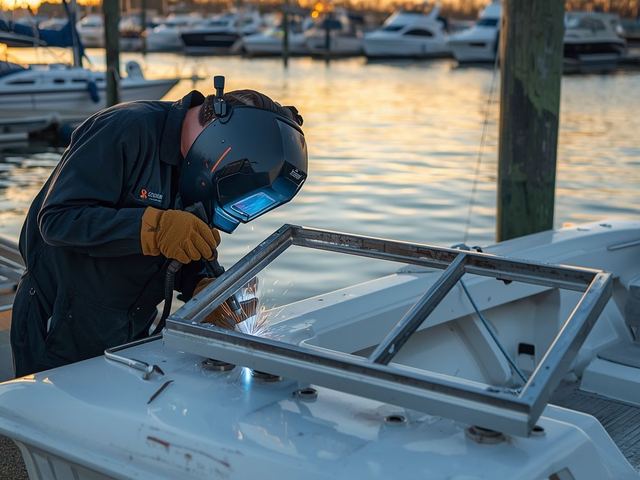
Every structural job here runs to a written welding procedure specification. That means the joint preparation, root opening, electrode, amperage range, travel speed, preheat and interpass temperature are all decided before anyone strikes an arc, rather than being improvised at the bench. It also means an inspector arriving three weeks later can see what was supposed to happen and confirm it did.
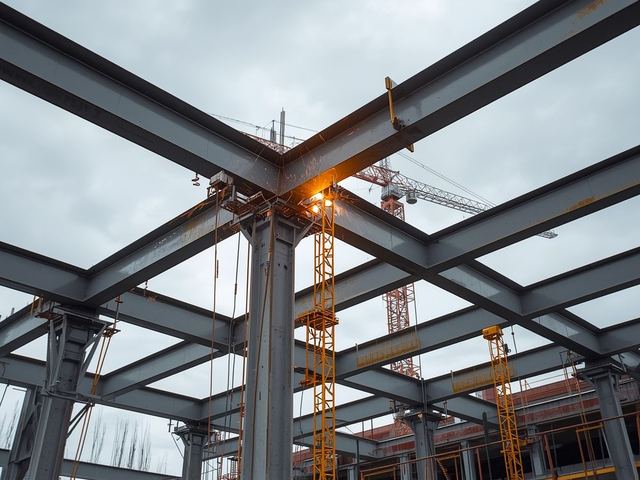
We fabricate columns and base plates, wide-flange beams and headers, moment and shear connections, lintels for masonry openings, mezzanines, catwalks, equipment platforms, stair stringers, treads and handrail. Material is typically A992 wide flange, A500 Grade B and C tube, and A36 plate, angle and bar. Handrail and guardrail get built to Florida Building Code loading, which for commercial guard is a 50 pound per linear foot load and a 200 pound concentrated load applied in any direction at the top rail — a spec that quietly kills a lot of good-looking railing built by people who never looked it up.
Florida adds its own demands. Wind loading drives connection design here in a way it does not in most of the country, so hold-downs, anchor bolt patterns and base plate details get more attention than the visible steel does. We build anchor bolt templates for the concrete crew so the pattern that gets poured is the pattern the column expects, which is where a surprising number of schedules go wrong.
For inspected work we coordinate directly with the engineer of record and the third-party certified welding inspector. Visual inspection to D1.1 acceptance criteria covers most jobs; where the drawings call for it we arrange magnetic particle or ultrasonic testing on complete-joint-penetration welds. We would rather find a discontinuity on our own floor than have an inspector find it after erection, and we schedule accordingly.
| Code | AWS D1.1/D1.1M Structural Welding Code — Steel |
|---|---|
| Processes | FCAW, GMAW, SMAW; preheat and interpass control per WPS |
| Materials | A992 wide flange, A500 Gr. B/C tube, A36 plate, angle and bar |
| Inspection | Visual to D1.1; MT or UT arranged when drawings require it |
| Finishing | Shop primer, hot-dip galvanizing coordination, field touch-up |
| Scope | Shop fabrication, delivery and field erection across greater Tampa |
Everything this covers
No line item on this list is an upsell in disguise. If your job needs it, it is part of the work.
- Columns, base plates, beams, headers and lintels
- Moment connections, shear tabs, stiffeners and doubler plates
- Stair stringers, treads, landings and code-compliant handrail and guardrail
- Mezzanines, catwalks, equipment platforms and access structures
- Shop drawings and detailing coordinated with your engineer of record
- Written welding procedure specifications for every structural joint
- Anchor bolt templates and setting plans for the concrete crew
- Complete and partial joint penetration welds to D1.1 acceptance criteria
- Coordination with third-party CWI inspection, plus MT or UT when specified
- Field erection, plumb-and-align, and on-site connection welding
Straight answers
What does “AWS D1.1 prequalified” actually mean for my project?
D1.1 contains a set of joint configurations that the code has already validated — specific groove angles, root openings, positions, processes and base metals. A joint that falls inside those parameters can be welded to a written procedure without the project paying for its own procedure qualification record testing.
In practice it means faster approvals and lower cost with no reduction in structural margin. Where a drawing calls for a joint outside those parameters, we say so early and price the qualification rather than quietly welding it anyway.
Do you work with our engineer and third-party inspector?
Yes, and we prefer to be in that conversation before fabrication starts. We produce shop drawings for the engineer of record to review, and we build to the approved set rather than to a field sketch.
For inspected work we coordinate scheduling with the certified welding inspector so that joints are examined at the right stage rather than after they are buried behind decking or cladding.
Can you handle both the fabrication and the erection?
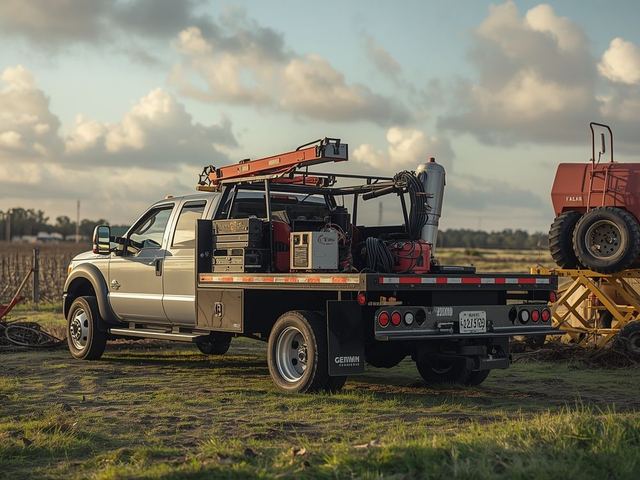
Yes. We fabricate at the Airport Road shop, deliver, and erect with our own crew and mobile rig, which keeps responsibility for fit-up in one place.
If your general contractor already has an erector, we are equally happy to fabricate and deliver to their schedule. We will supply setting plans and anchor bolt templates either way so the steel meets the concrete where it is supposed to.